Sussex has examples of work by many outstanding designers, historical and contemporary.
Many of the large parkland estates in Sussex were established in the eighteenth century when the fashion was for idealistic landscapes with a carefully composed view from the house. The most well-known exponent of the English Landscape style was Lancelot ‘Capability’ Brown who created wide open parks punctuated with groupings of trees and glimpses of rivers, lakes, classical temples or statues. There were no visible boundaries to interrupt the view; the ha-ha (a concealed ditch) kept animals grazing in the parkland away from the house.
At Petworth Park Brown redesigned the gardens and park for the Earl of Egremont from 1751 to 1763, creating the garden which became famous through the paintings by J.M.W. Turner.
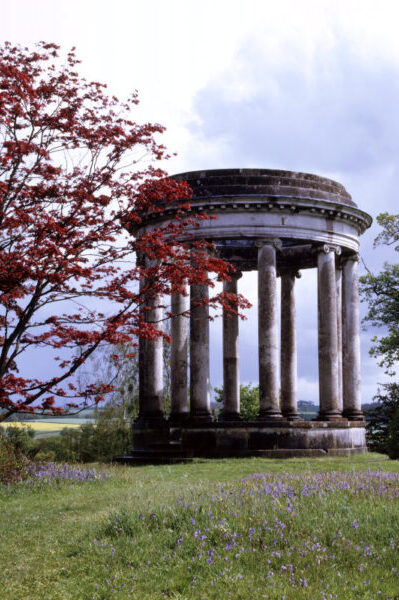
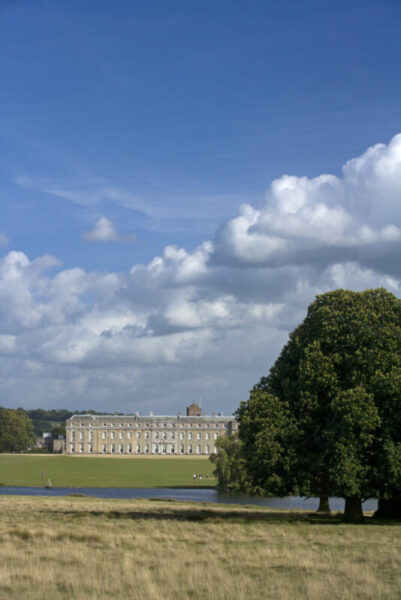
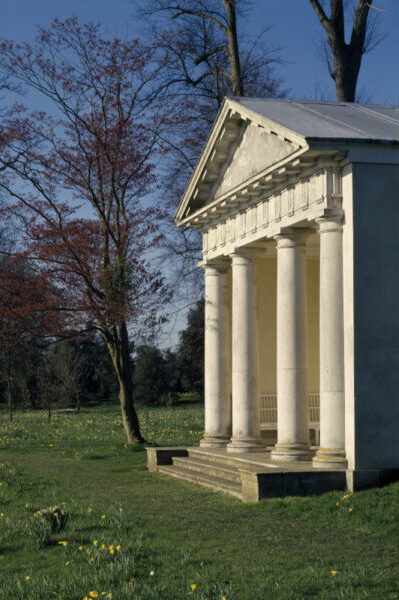
Petworth Park. © NT/John Miller/Rupert Truman
Humphry Repton (1752-1818) followed in Brown’s footsteps by creating picturesque parkland, but as a practical man he included ornamental flowers and shrubs and a kitchen garden near to the house. He presented his ideas to clients in his famous Red Books showing watercolours of before-and-after views of the landscape. The Red Book for the garden at Uppark is dated 1810 and shows Repton’s proposals commissioned by Sir Harry Fetherstonhaugh. This included work in the parkland and some garden buildings which can be seen today.
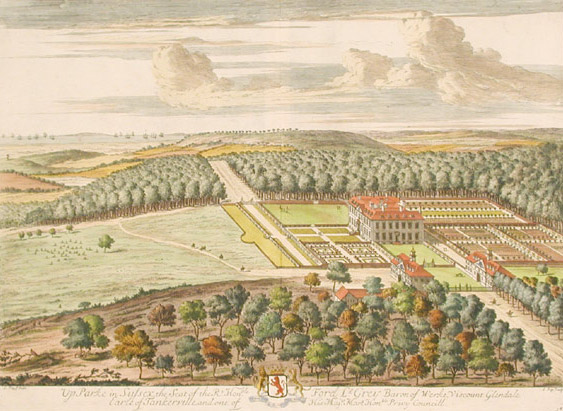
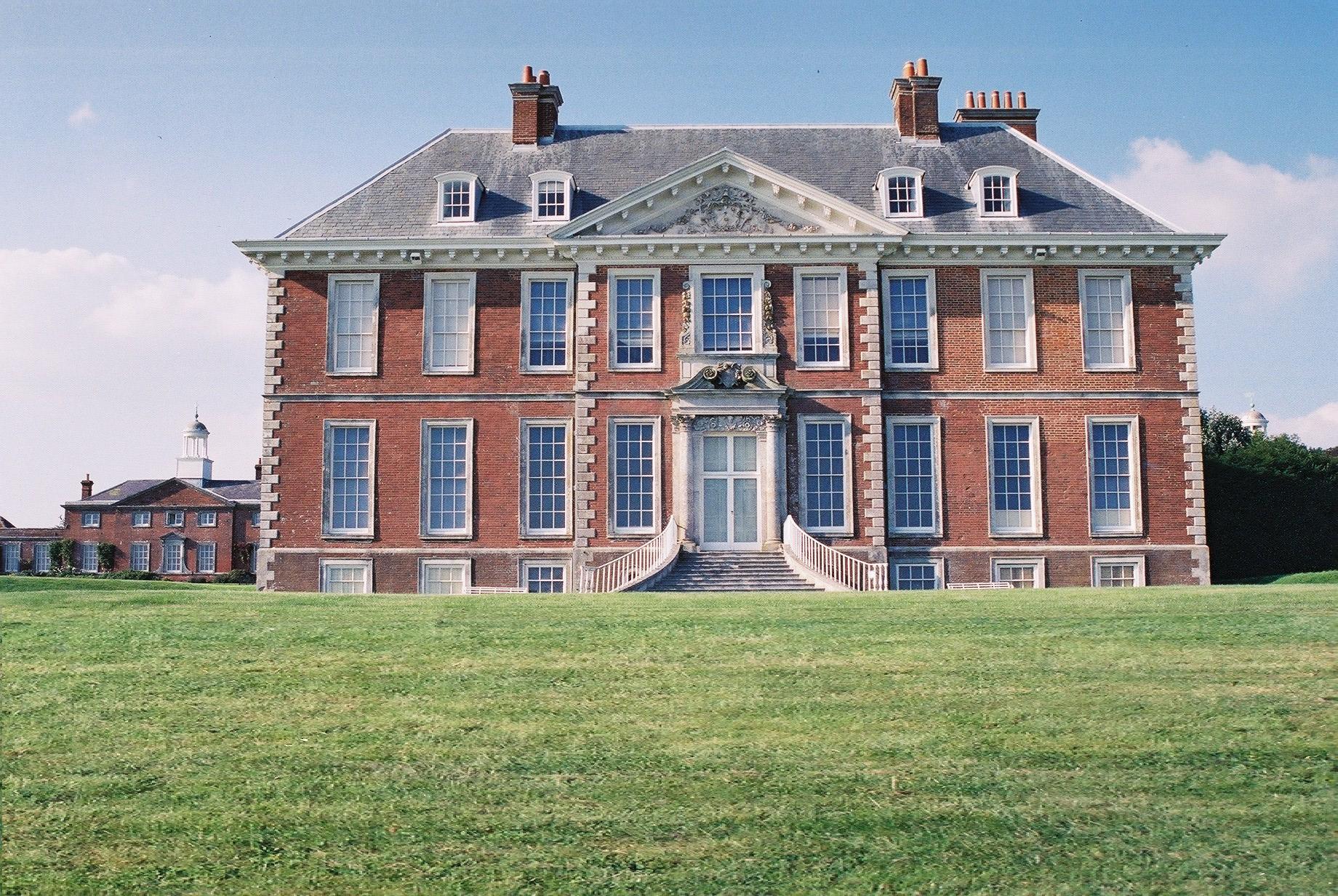
Uppark by Jan Kip in early 18th century and following restoration in 2006
William Robinson, whose book The Wild Garden was published in 1870, caused quite a stir in garden style by promoting the idea of natural woodland and naturalised planting. He created his own garden at Gravetye Manor in West Hoathly. Here the spring flowers naturally die back to be replaced by summer-flowering plants and wildflower meadows add colour and reduce maintenance, while the woodlands are embellished by colourful rhododendrons and other hardy plants from abroad.
Gardening as a profession for women was not seen as acceptable until the end of the nineteenth century, when horticultural colleges began opening their doors and female gardeners were allowed employment at botanic gardens such as Kew. Frances, Viscountess Wolseley (1872-1936) established the Glynde School for Lady Gardeners in 1902, offering two-year courses in gardening and garden design to young women. One of the patrons of Glynde was Gertrude Jekyll (1843-1932), who had been among the first women to be accepted into art school. She established herself as a renowned plantswoman and garden designer in a male-dominated profession, running a successful plant nursery from her home and skilfully creating silverwork and wood engraving. This she achieved despite being denied entry to the important contemporary Art Workers’ Guild, founded to combine applied crafts with fine art.
Jekyll’s work embraces the Arts and Crafts ideals and her partnership with Edwin Lutyens produced houses and gardens created in harmony with the landscape, using cottage garden plants and traditional building methods. Describing herself as an artist gardener, her friends included Ruskin, William Morris and the artists G. F. Watts and Frederic Leighton. Her flower borders were designed to be seen as a picture, the colours carefully composed with a palette which could range from soft blues and pale pinks to vibrant scarlet and orange.
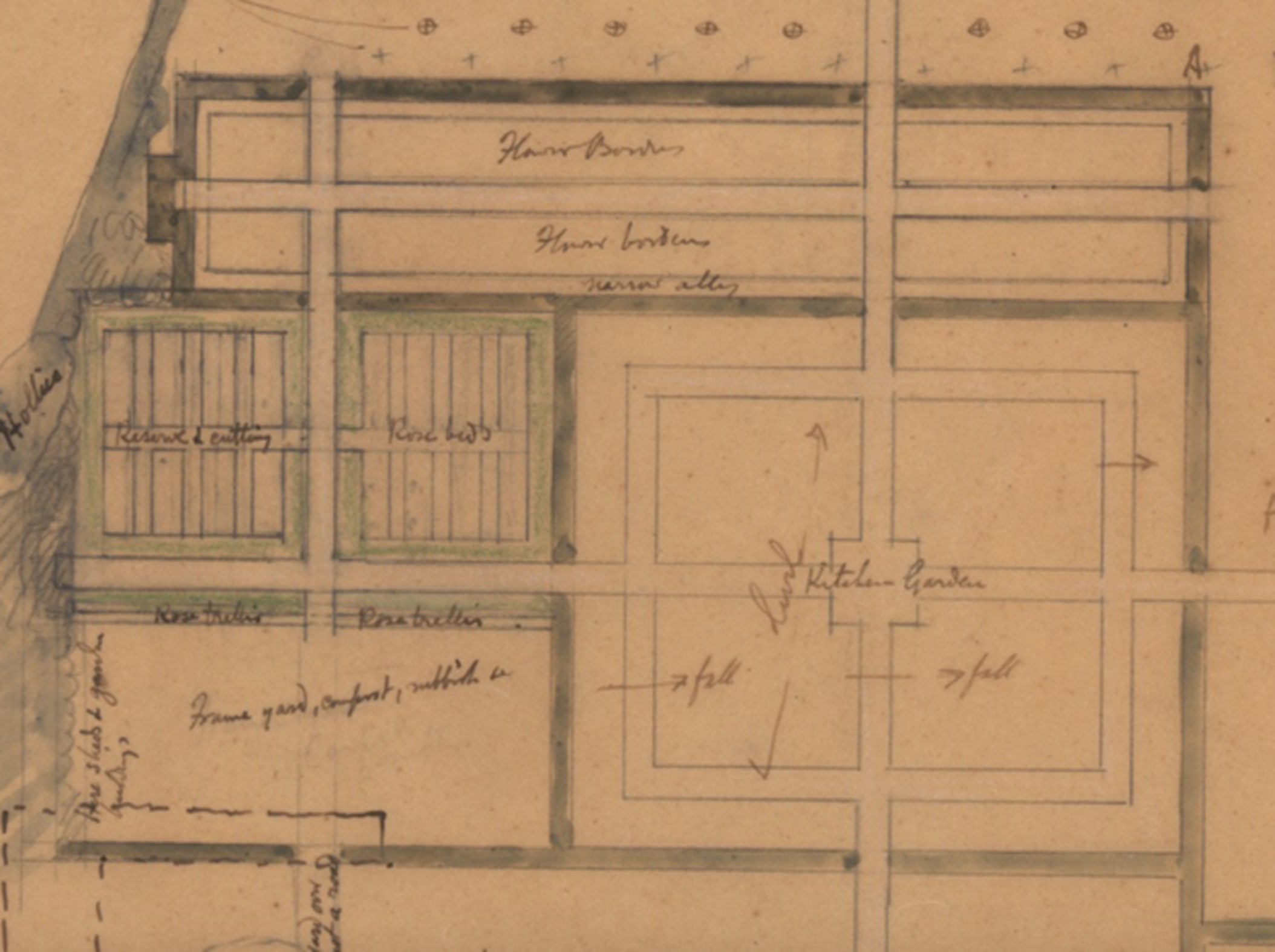
One significant example of their work in Sussex is the Lutyens-designed house at Barton St Mary, which features a long herbaceous border characteristic of Jekyll’s skill in combining colours and a wilderness area with grass serpentine paths and planting of rambling roses, holly, white broom and rhododendron. Situated on the border of Tunbridge Wells and East Grinstead, the plan for the garden shows a formal kitchen garden, around which Jekyll designed flower borders and a gravel forecourt with dry stone walls planted with santolina, lavender and sedums. Several of the plans are annotated by Jekyll with notes and queries for Lutyens, while he sent letters also asking for her advice, which reveal how she was actively involved in the overall design of the garden as well as the planting.
The twenty-four plans for Barton St Mary can be viewed here. Click on the images below to reveal the fine detail of Jekyll’s plans and the letter from Lutyens.
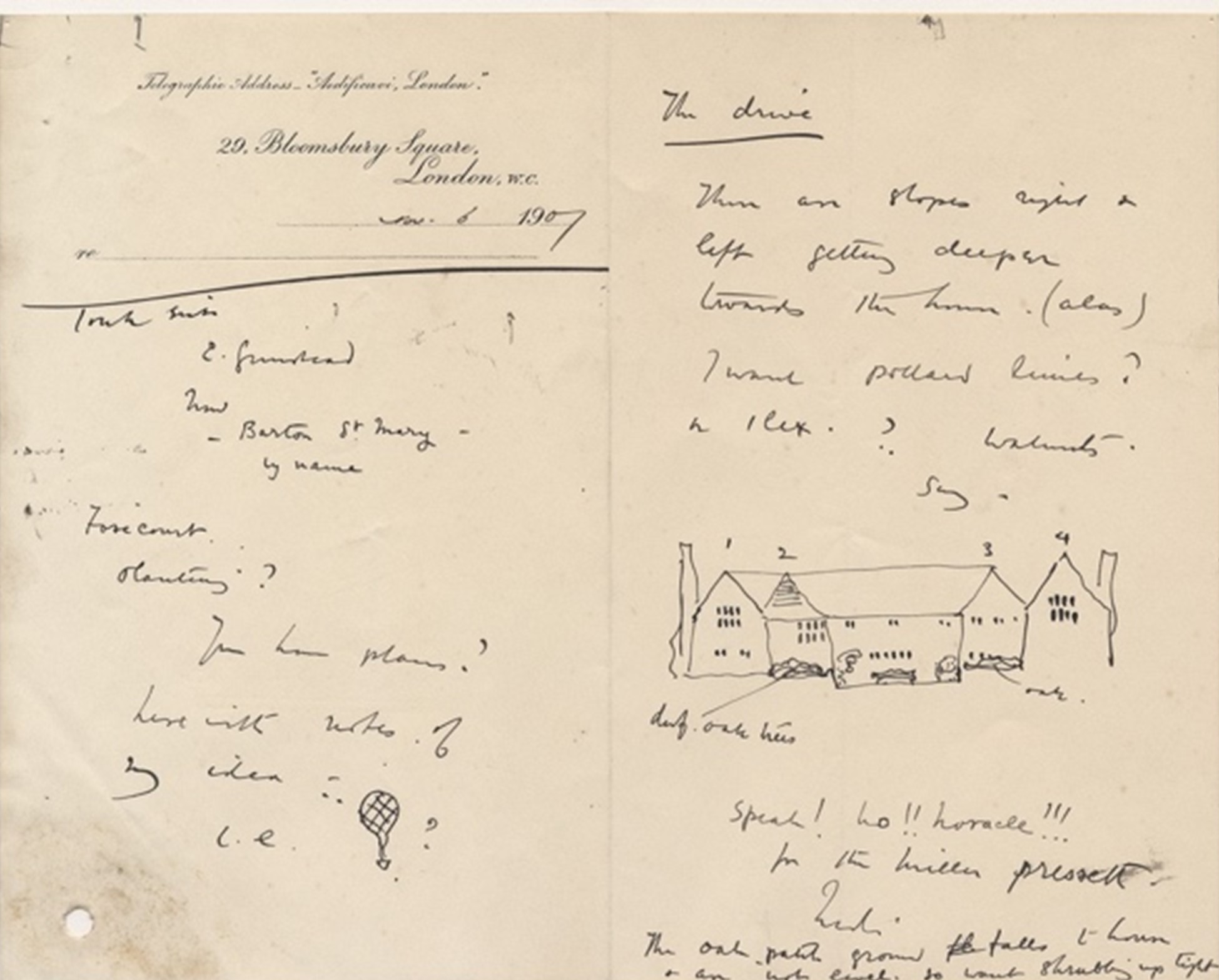
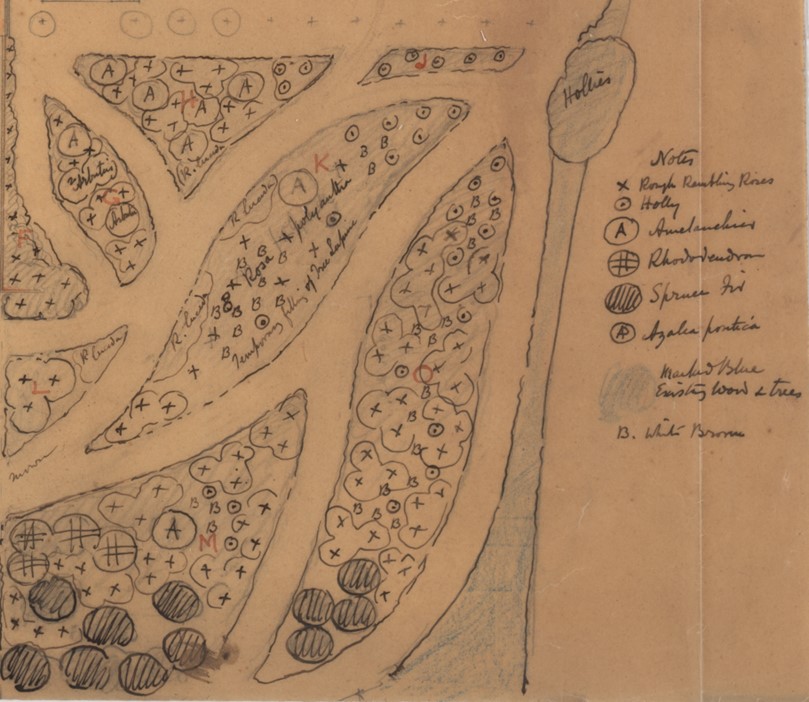
Read more about the history of Barton St Mary here.
Banner Photograph: Uppark House and Garden ©National Trust Images/Andrew Butler