
Knowing a fag-hook from a hand-bill
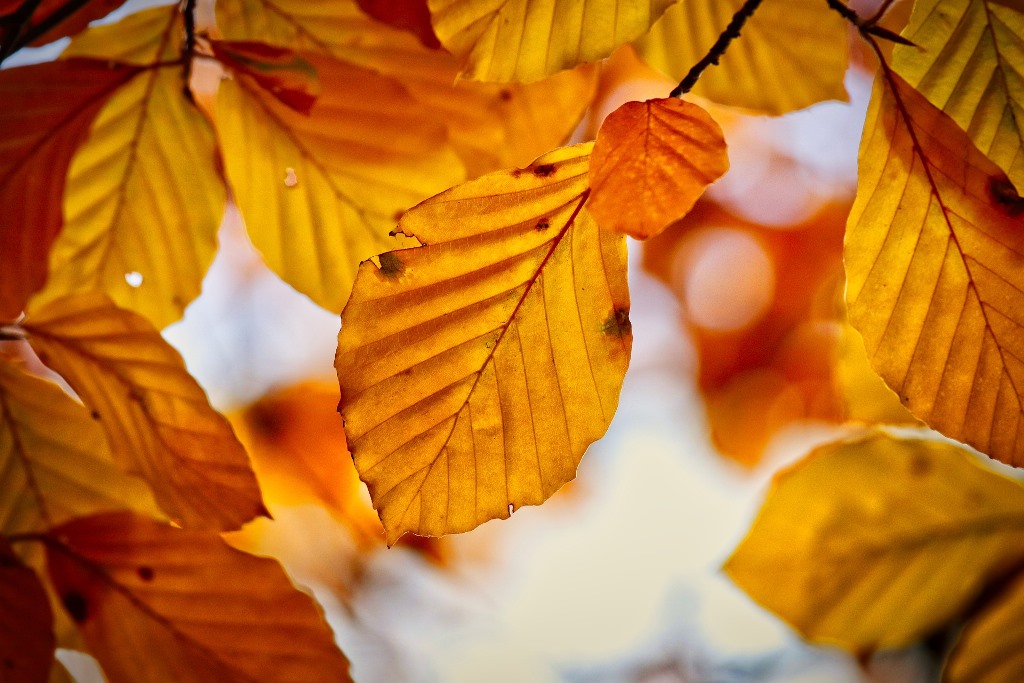
Now, in the third week of November, the most pressing work is the collecting of leaves for mulching and leaf-mould. The oaks have been late in shedding their leaves, and we have been waiting till they are down. Oak-leaves are the best, then hazel, elm, and Spanish chestnut. Birch and beech are not so good; beech-leaves especially take much too long to decay.
Gertrude Jekyll, Wood and Garden, 1899
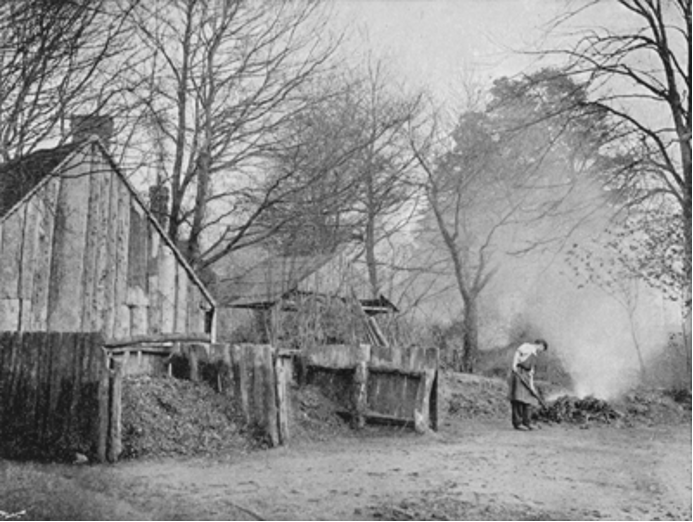
Gathering fallen leaves in late autumn is a familiar task for gardeners; when the bare trees signal the approach of winter it’s time to start storing nourishment for plants in the spring. Gertrude Jekyll, born 179 years ago this month, describes in Wood and Garden, going out with horse and cart and three workmen into the lanes near Munstead Wood for several days in late November, returning home with a great load of leaves that are thrown into a collection of pits. The large pits or ‘pens’ in the garden yard were made from ‘stout oak post and rail and upright slabs’ and the leaves then stored for almost two years, until they had rotted ‘into wholesome plant-food’. She tells us the leaf-mould was for protecting the beds of ‘Daffodils and choice bulbs and Alströmerias’ with the rest put aside for potting and other uses.
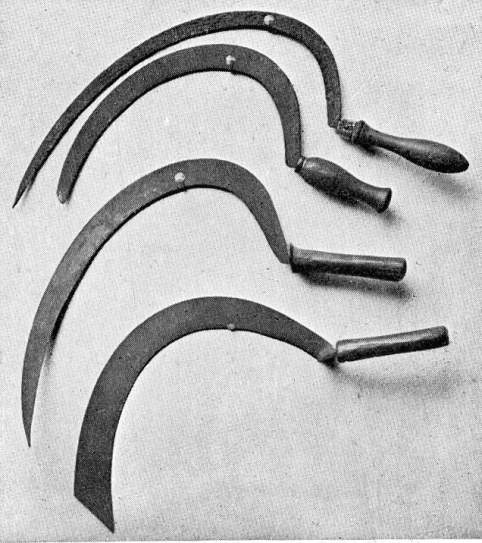
At this time of year there was much to do in the woods surrounding Munstead: cutting and thinning the birch trees, grubbing up the stumps of Scotch fir, felling old oak and chestnut trees. Jekyll appreciated the rural crafts of the farmers and woodsmen in this part of the country, photographing the copse cutter, the mower, the hurdle maker, and their tools, to record a local way of life which she knew was passing away. Writing in Old West Surrey of the hand-tools once in use she recalled how as a child, ‘biggish … strong and delighting in any bodily exercise’ she would have a day in the harvest field and she included her own reaping-hook – or rip-hook as it was called – in this photograph of hand-tools.
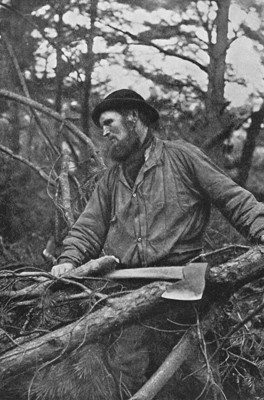
Another of her photographs shows ‘felling and grubbing tools’ which, she advises in her practical manner, must be well prepared for the winter’s work.
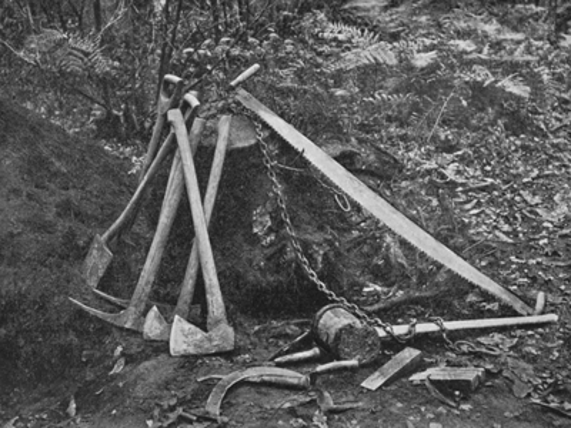
With works of wood-cutting and stump-grubbing near at hand, we look over the tools and see that all are in readiness for winter work. Axes and hand-bills are ground, fag-hooks sharpened, picks and mattocks sent to the smithy to be drawn out, the big cross-cut saw fresh sharpened and set, and the hand-saws and frame-saws got ready.
Some years ago, Robert Macfarlane and Jackie Morris wrote a book in response to the removal of everyday nature words from a children’s dictionary because they were not used often enough. The Lost Words was a protest against parts of the natural world, such as: ‘acorn’, ‘bluebell’, ‘kingfisher’ disappearing from our lives. Something similar has happened to many of the words for the hand-tools familiar to Jekyll, such as the hand-bill and the fag-hook, that appear in Old West Surrey written in 1904. She had seen for herself the change from hand labour to machine work in agriculture and commented that a whole variety of horse drawn implements had replaced the three tools that a labourer would have hanging in his kitchen: the scythe, fork and wooden rake. These words remain familiar, but the ‘felling and grubbing’ tools perhaps only to the enthusiast.
A fag-hook, Jekyll explains, was quite different to a rip hook, with a ‘square crook or step’ to protect the hand and is used with ‘a slashing action’ making the work quicker and easier than with the rip-hook. She wonders why the process of ‘fagging’ is not used more often, but older people tell her the corn ‘isn’t picked up so close’ and repeat an old saying that in fagging ‘a man leaves his wages on the ground’.
Which brought to mind another reference to a hand-tool mentioned by Jekyll, when Shakespeare’s Hamlet suggests to Guildenstern ‘I am but mad north-north-west; when the wind is southerly, I know a hawk from a handsaw’.
‘Hand-saw’ in this instance has been attributed to a bird – a heron or ‘hernshaw’ with Hamlet hinting he is not truly mad because he knows the difference between the two birds, but Shakespeare scholars and lovers of his wordplay have disputed this meaning, suggesting a hawk could also be a heavy cutting tool like a mattock, creating a contrast to the lighter handsaw. Whether there was in Elizabethan England a cutting tool called a hawk remains questionable, and there’s plenty of argument left in this etymological puzzle.
Without wading too deeply into Shakespeare’s wordplay, another hand-tool appears in the opening scene of Romeo and Juliet, when a riot develops and a citizen in the crowd calls out for a ‘bill’ – an old word for a chopping tool – to arm themselves. A hand-bill however, is shaped more like a pruning knife, and also known as a billhook, or in some parts of the country as a brushing hook and broom hook and now used mainly by thatchers, coppicers, and hedgelayers. Jekyll used the hand-bill for cutting birch tops into pea-sticks, making a slanting cut to create stakes for dahlias and hollyhocks – an important job for this time of the year she tells us for ‘by the plan of preparing all in winter no precious time is lost’.
As a woman of countless talents, and who appears never to have wasted a single moment of time, let’s remember her birthday: 29 November 1843.
Article by Sally Ingram